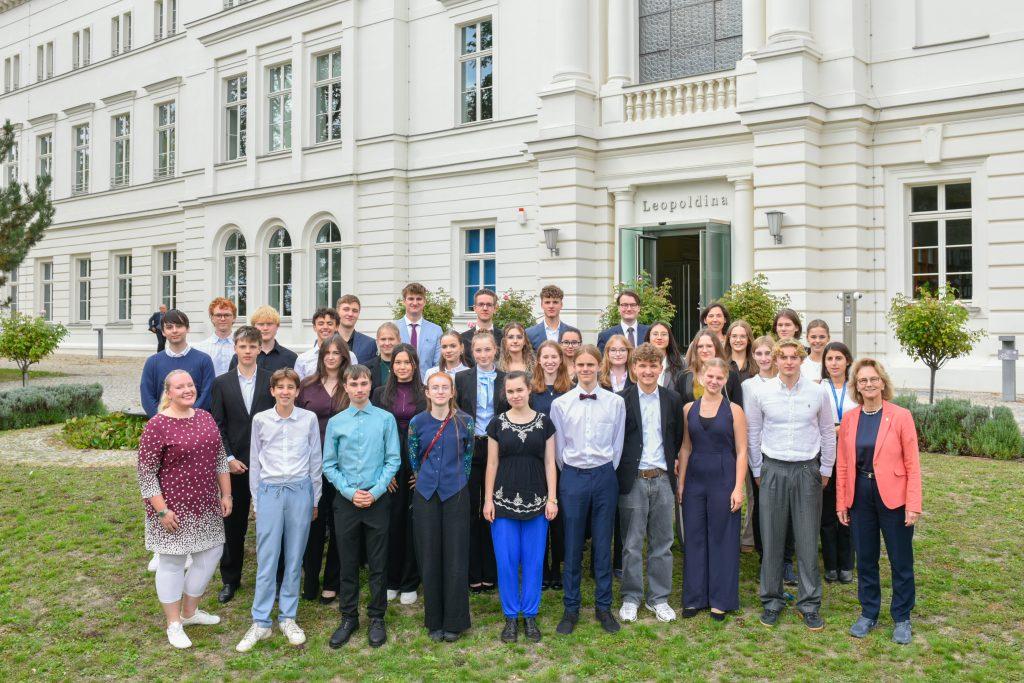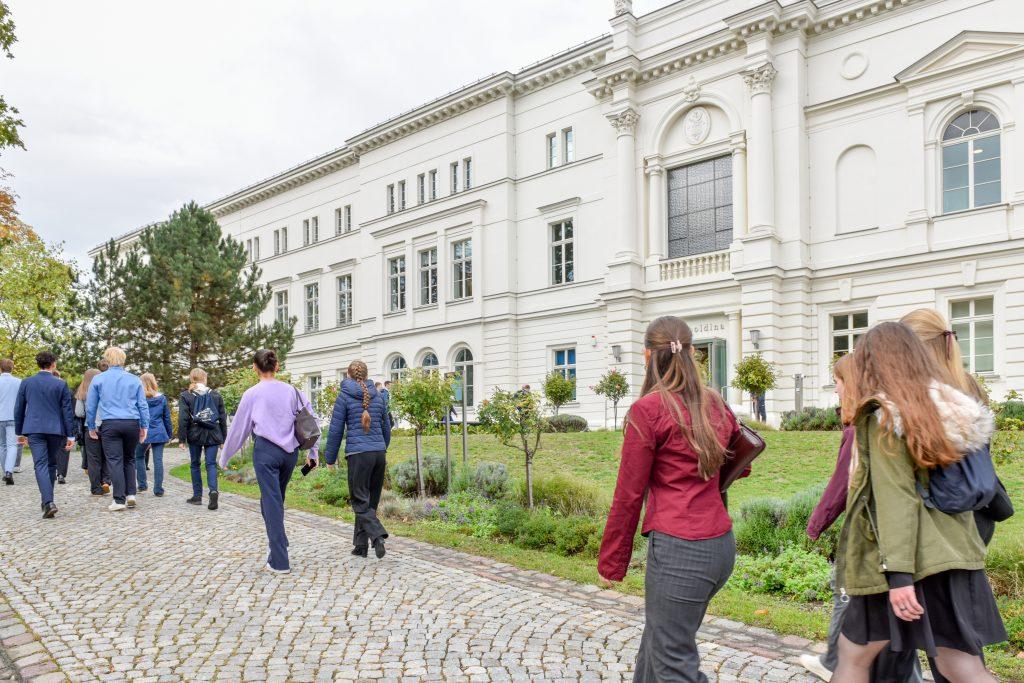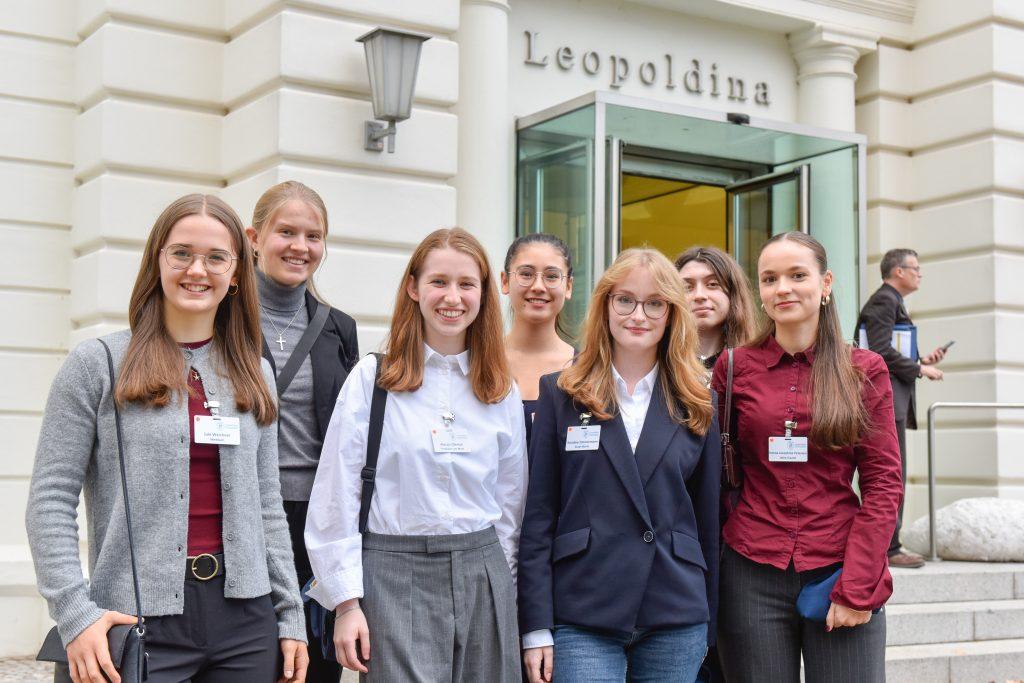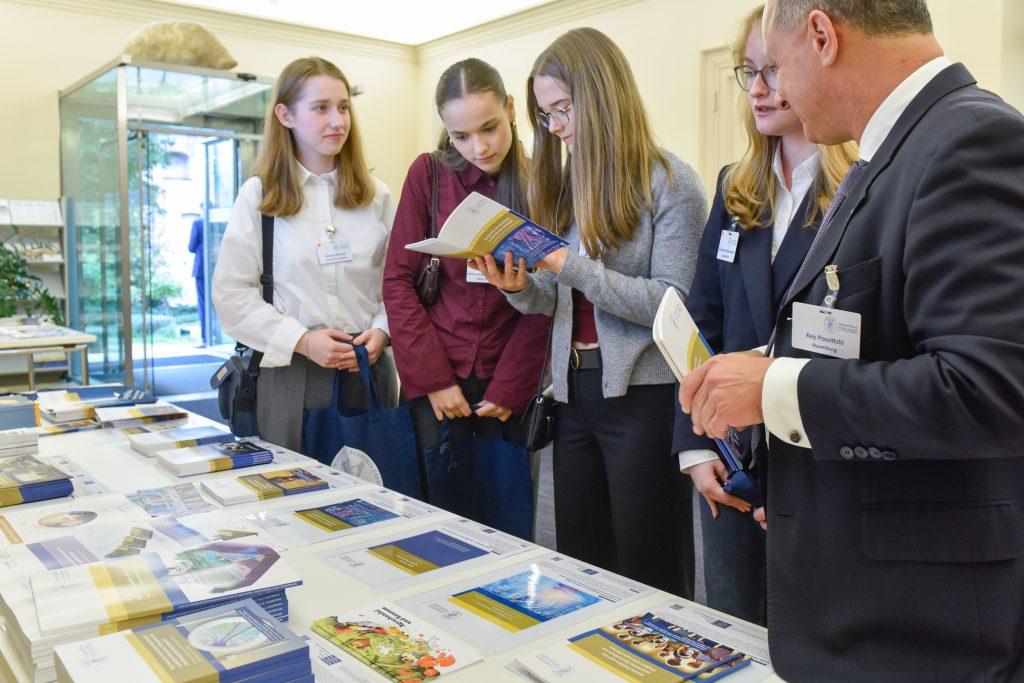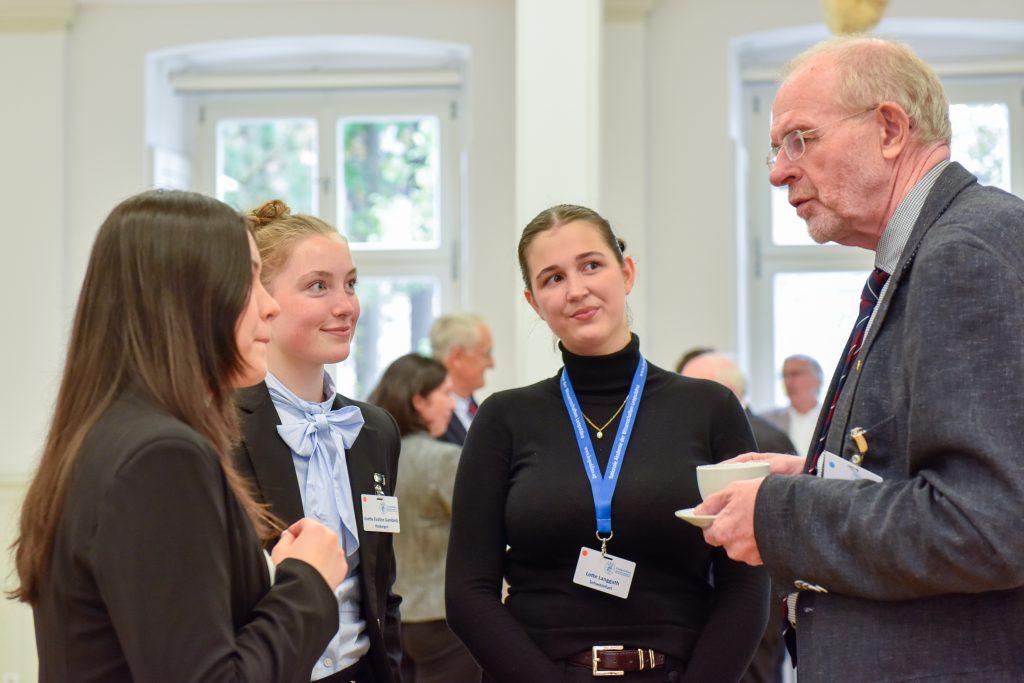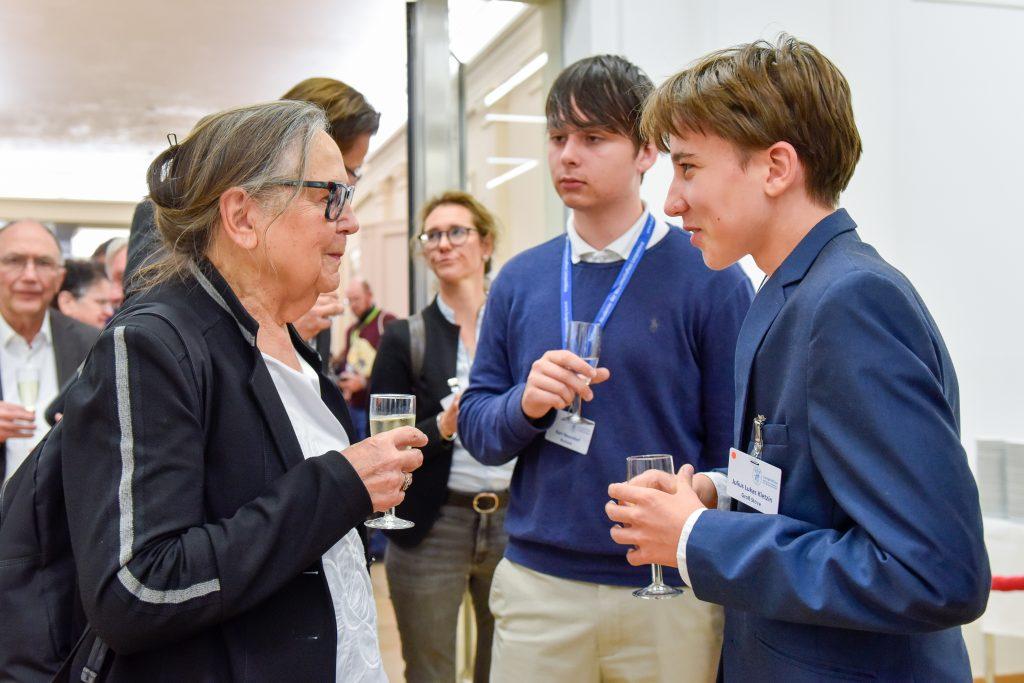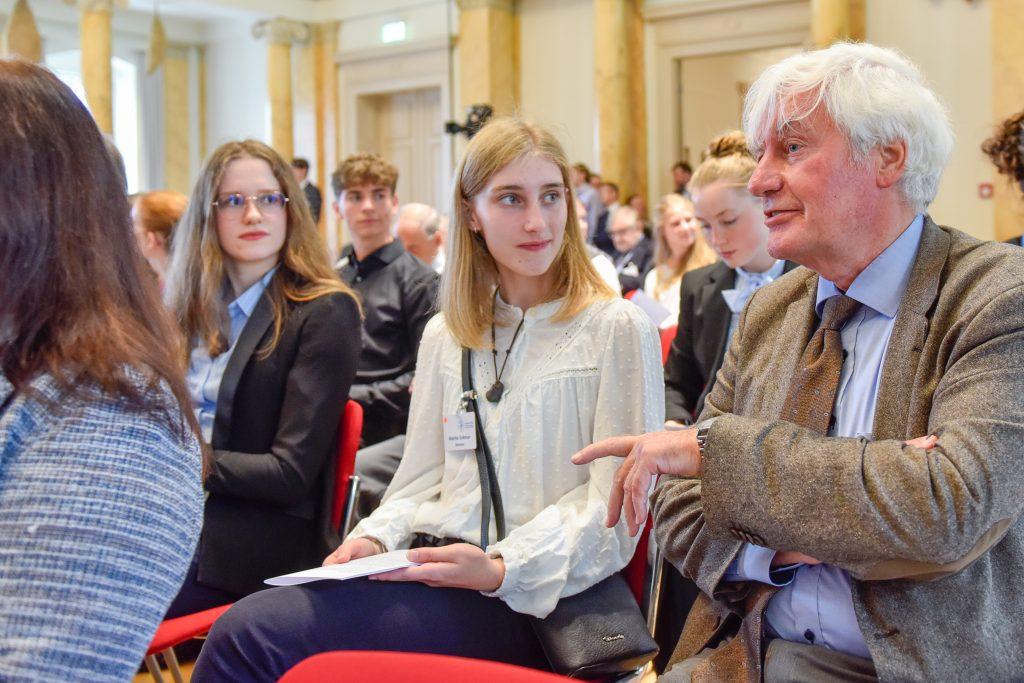
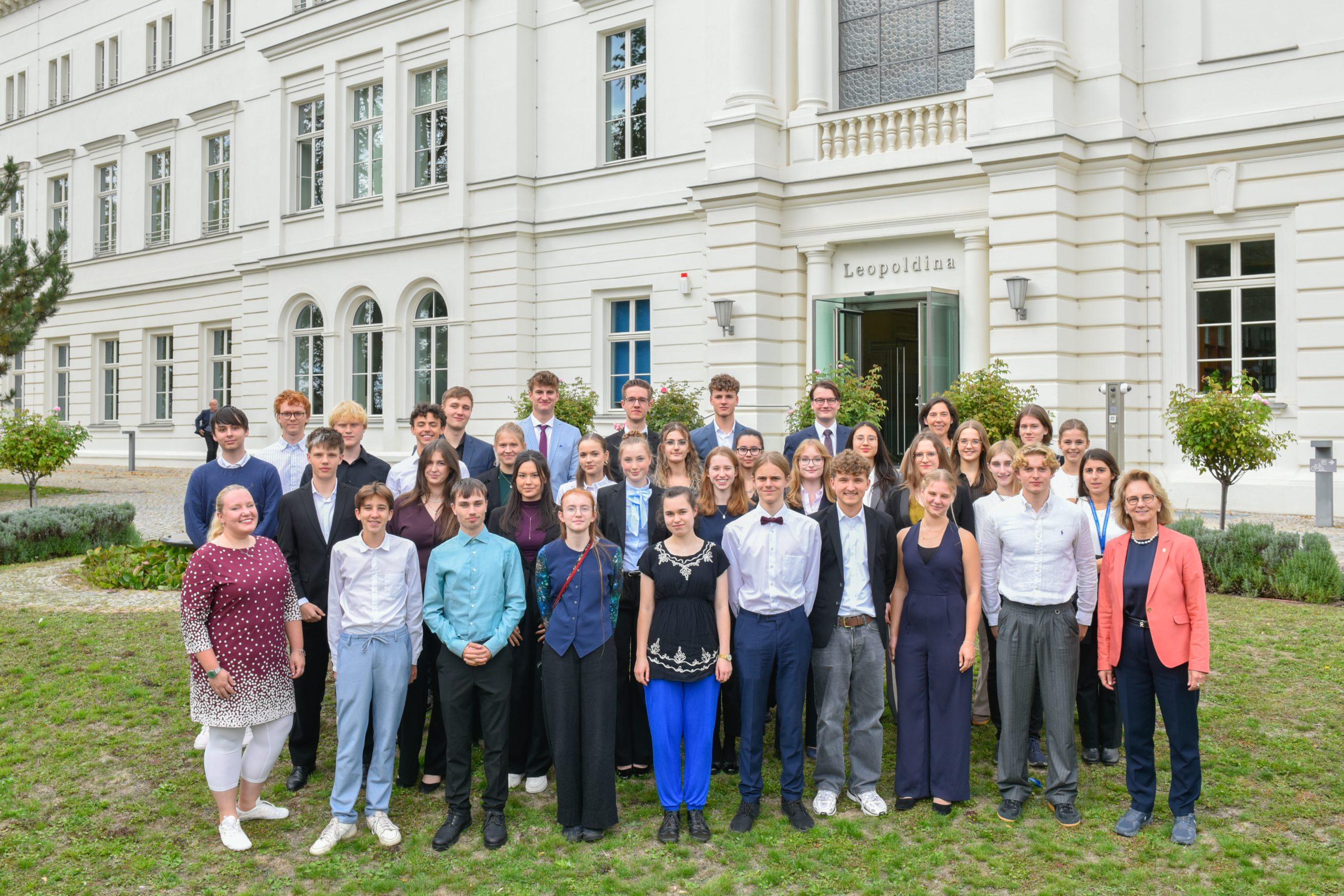
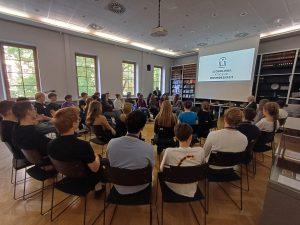
In September, 35 students from all over Germany visited Halle (Saale) to explore the world of science and learn about the work of the German National Academy of Sciences Leopoldina as part of the 2026 Student Programme. Over three days, they took part in a varied programme centred on the theme of autonomy, featuring fascinating insights, hands-on experiences and personal encounters with scientists.
How does scientific research work? What questions are currently occupying researchers? And what role does autonomy play in science and society? These and many other questions were explored by participants in this year's Student Programme.
The programme offered a wide range of opportunities to discover science from different perspectives. An experimental day invited students to get actively involved and investigate scientific questions for themselves. A visit to the planetarium opened up new perspectives on the universe.
A particular highlight was attending the Leopoldina's Annual Assembly. Here, the students were able to experience science at first hand and gain an impression of how researchers exchange views on current topics and developments.
Getting to Know the Friends Association
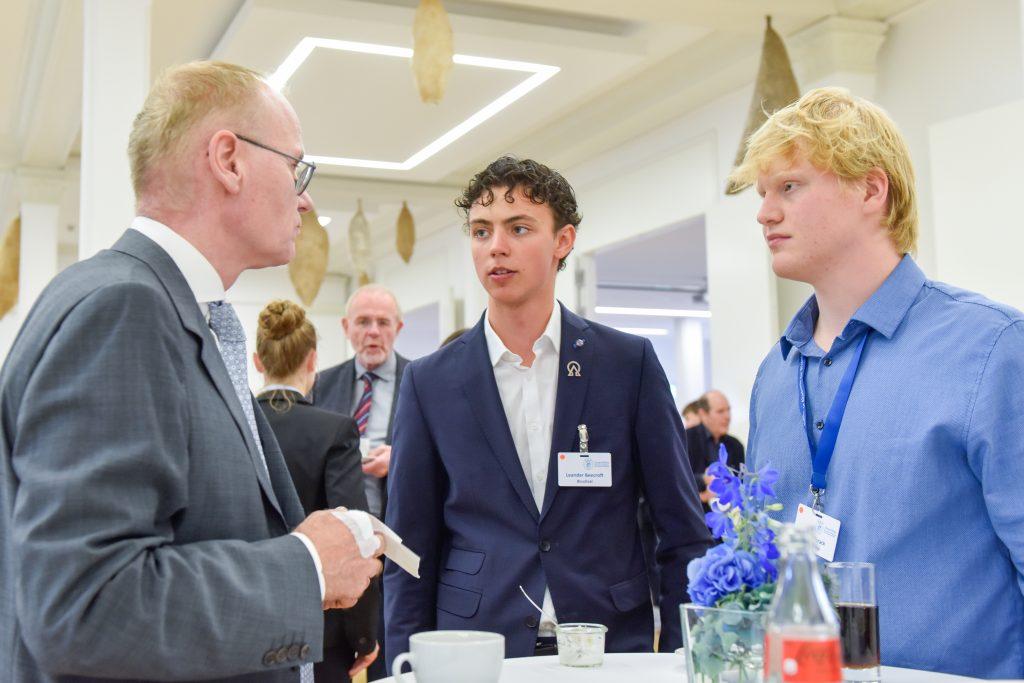
The Student Programme is funded by the Leopoldina Academy Friends Association (Leopoldina Akademie Freundeskreis e. V.). It was therefore particularly fitting that the work of the Friends Association itself also became part of the programme. Professor Klaus-Peter Hoffmann, a member of its Executive Board, introduced the students to the Friends Association, its responsibilities and its commitment to supporting the Leopoldina.
The students thus gained first-hand insight into how the Friends Association supports the Academy and, in particular, promotes the next generation of scientists.
A special example of this commitment is the special award presented by the Friends Association as part of the Jugend forscht (Young Researchers) competition in Saxony-Anhalt. The award enabled Felix Neuber from Georg-Cantor-Gymnasium in Halle (Saale) to participate in the Student Programme. The Jugend forscht jury in Saxony-Anhalt had nominated him for the award, and the Friends Association's Executive Board was pleased to endorse this recommendation.
With his project, “AI Tutor – The Future of Learning”, Felix made a direct connection to the theme of the Leopoldina's Annual Assembly.
Personal Encounters with Science
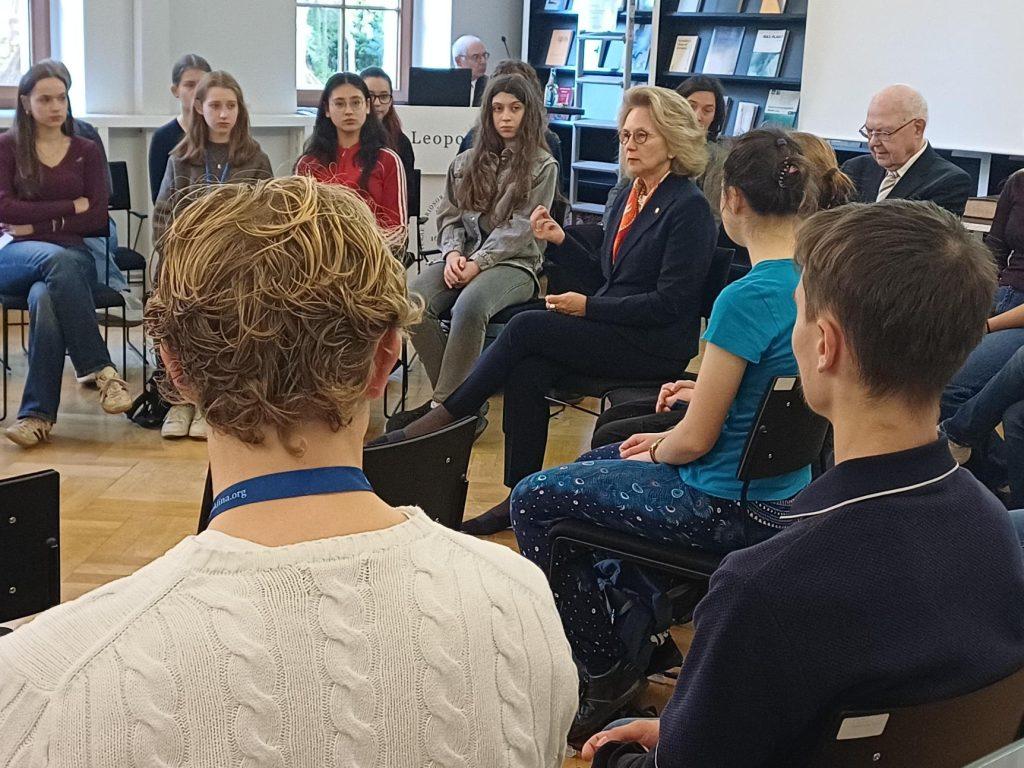
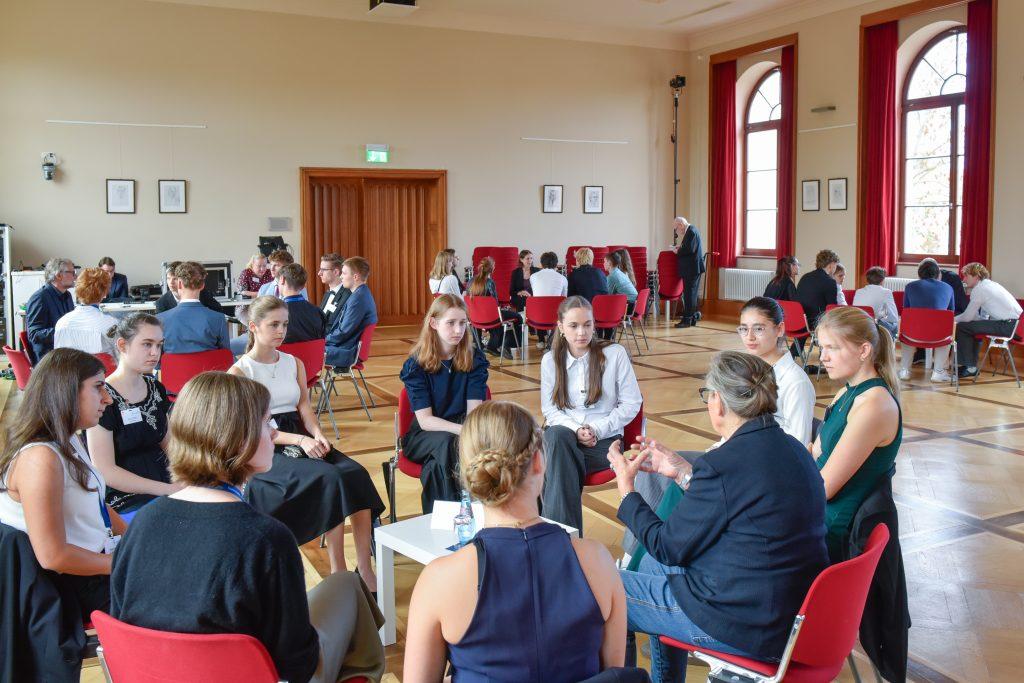
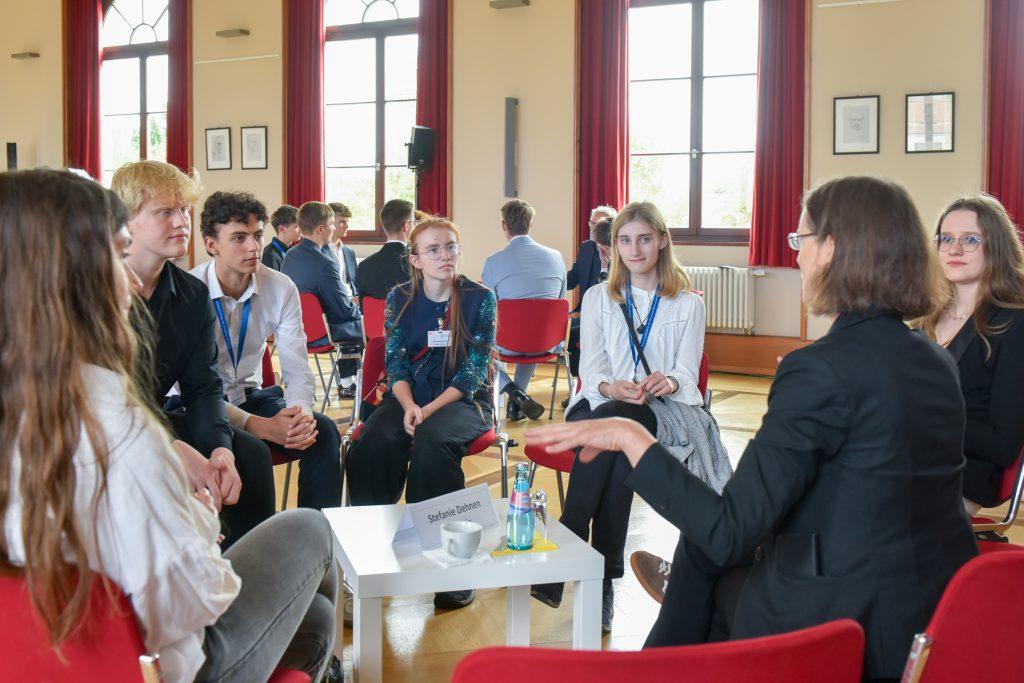
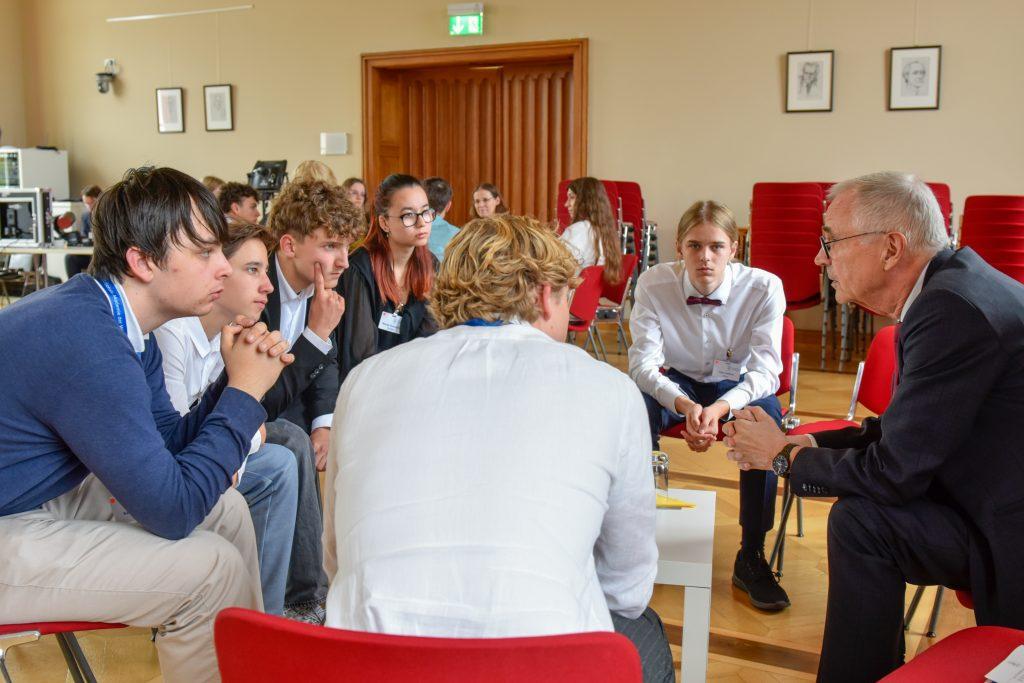
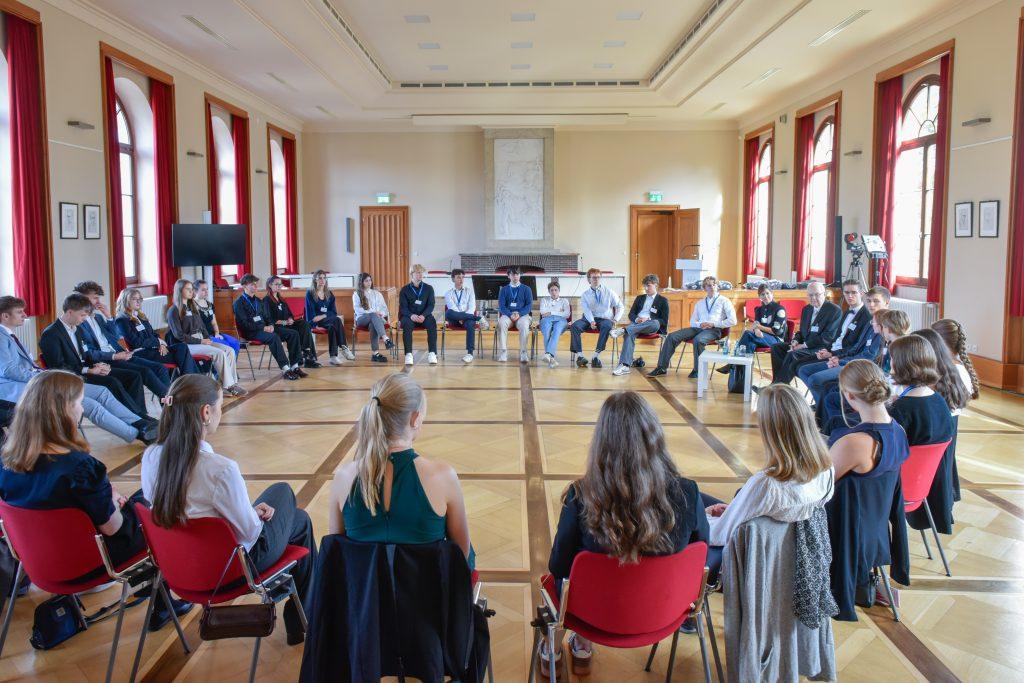
The Meet the Prof format provided plenty of opportunities for questions and personal exchange. In small discussion groups, the students met selected members of the Leopoldina from a range of disciplines: Prof. Dr Stefanie Dehnen, Prof. Dr Regine Kahmann, Prof. Dr Harald Fuchs and Prof. Dr Ralph Hertwig. The young participants had the opportunity to learn more about their research fields and scientific careers, ask their own questions and engage directly with the researchers.
The participants' reflections also demonstrate how lasting such encounters can be. Ella Weißmann and Felix Neuber shared their experiences in posts on LinkedIn. Among other things, they highlighted the new insights they had gained, the opportunity to exchange ideas with other young people and the chance to broaden their horizons. Alongside the many scientific impulses, new contacts and friendships also emerged.
Enabling Science Together
Special thanks go to all the partners and supporters who made the programme possible and enriched it: SalineTechnikum, the Heinz Bethge Foundation, Martin Luther University Halle-Wittenberg and the Halle Planetarium.
Three days filled with new impressions, questions and encounters once again made the Student Programme a special opportunity to discover science not only as observers, but to experience it firsthand.