Intra-German Exchange at the Leopoldina up to the 1990s
Observations Following Ten Oral History Interviews
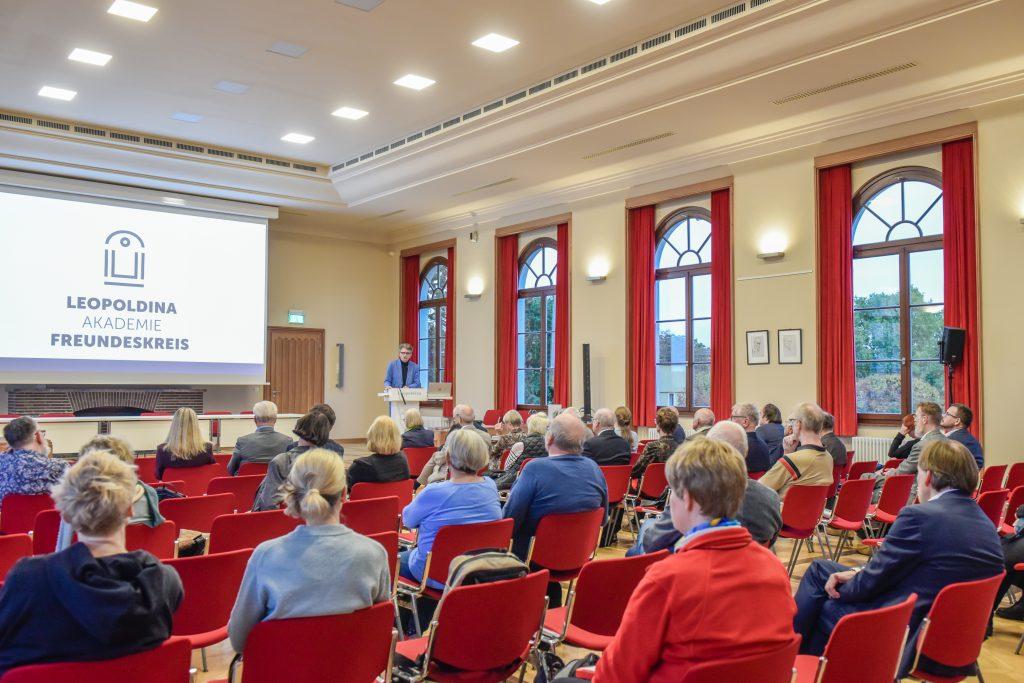
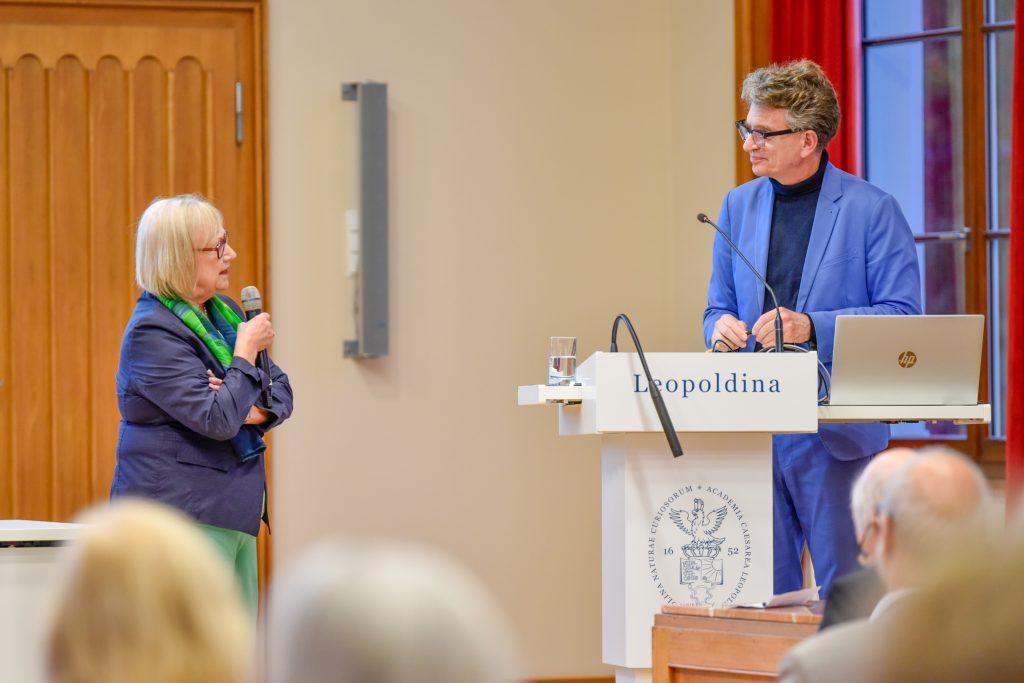
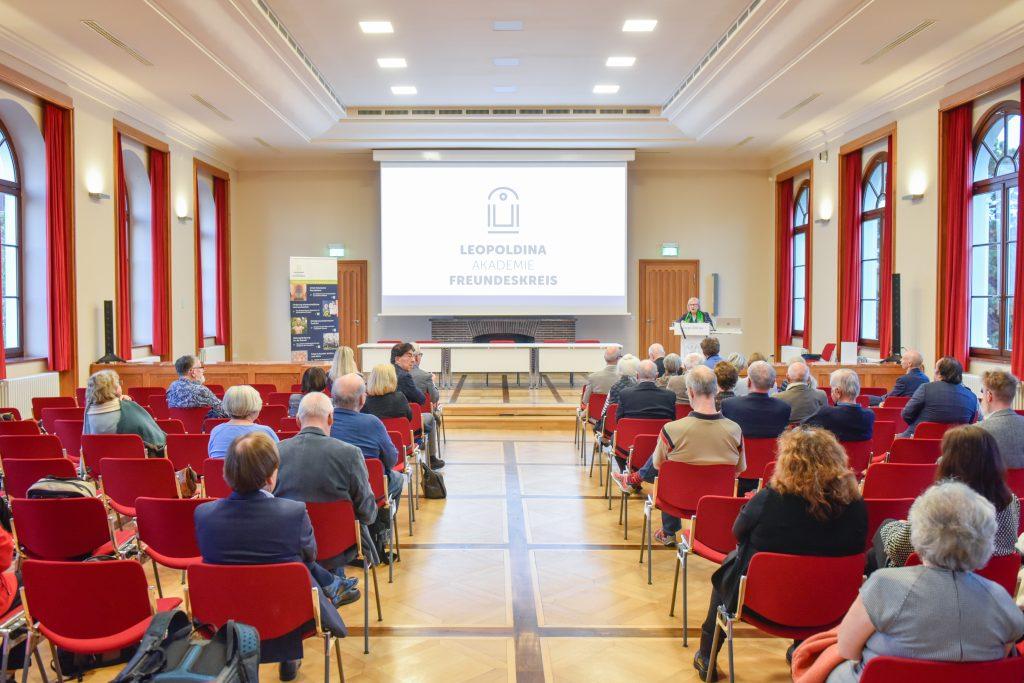
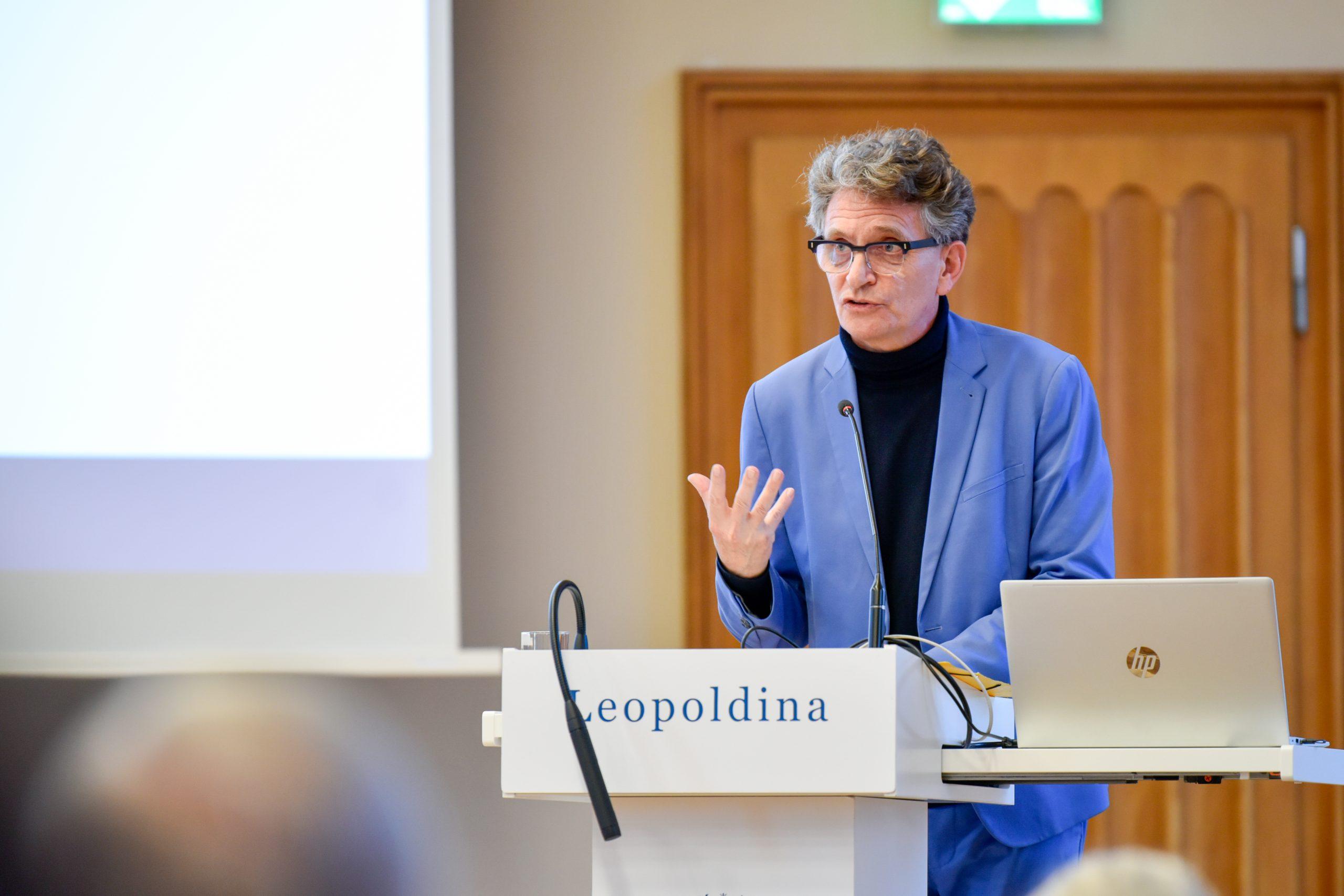
What role did the Leopoldina play in intra-German and international scientific exchange during the GDR era? How were its members able to maintain scientific networks despite restricted travel and limited opportunities for contact? These questions are at the heart of a research project on the history of the Leopoldina in the GDR. Dr Axel Doßmann, from the Chair of Modern and Contemporary History at the Institute of History at Friedrich Schiller University Jena, presented the findings of his research and observations from ten oral history interviews.
Funded by the Leopoldina Academy Friends Association (Leopoldina Akademie Freundeskreis e. V.) since autumn 2025 and now largely completed, the project examines the significance of the Academy as a place of scientific exchange under the political conditions of the GDR. It focuses on the perspectives of contemporary witnesses who experienced and helped shape the Leopoldina's activities during this period.
As part of the project, Doßmann conducted semi-structured interviews with members of the Leopoldina and one member of its staff. Topics included the role of the Academy in facilitating intra-German and international contacts against the backdrop of restricted opportunities for communication and travel, as well as the importance of the annual meetings for scientific exchange and networking among participants.
The interviews offer insights not only into individual memories and experiences. They also make it possible to trace the Academy's institutional structures, networks and scope for action, as well as those of its members, within a politically and scientifically restrictive environment.
To date, historical research has devoted relatively little attention to the personal and professional experiences of Leopoldina members and staff in and with the GDR. Given the age of the contemporary witnesses, who can report first-hand or from direct observation on encounters and experiences, particularly during the 1970s and 1980s, it was important to document their recollections professionally and without delay.
The interviews have been transcribed and are preserved in the Leopoldina Archives. They provide a foundation for further research into the history of the Academy and the relationship between science and politics in the GDR.
Dr phil. Axel Doßmann has been a research associate at the Institute of History at Friedrich Schiller University Jena since 2007.